What does 🌖 mean in a text, caption, or late-night conversation?
You may recognize 🌖 as a moon, but wonder why someone chose this particular moon instead of 🌕 or 🌙. The waning gibbous emoji officially represents the Moon after the full-moon phase, when its illuminated portion is decreasing. In everyday messages, it can simply mean the Moon, nighttime, astronomy, or a moonlit mood. Depending on the surrounding words, people may also use it for a quiet, mysterious, reflective, or winding-down feeling. Its emotional meaning is contextual, not universal.
🌖 is literally a lunar phase, but the message around it creates the mood.
What Does the Waning Gibbous Emoji Mean?
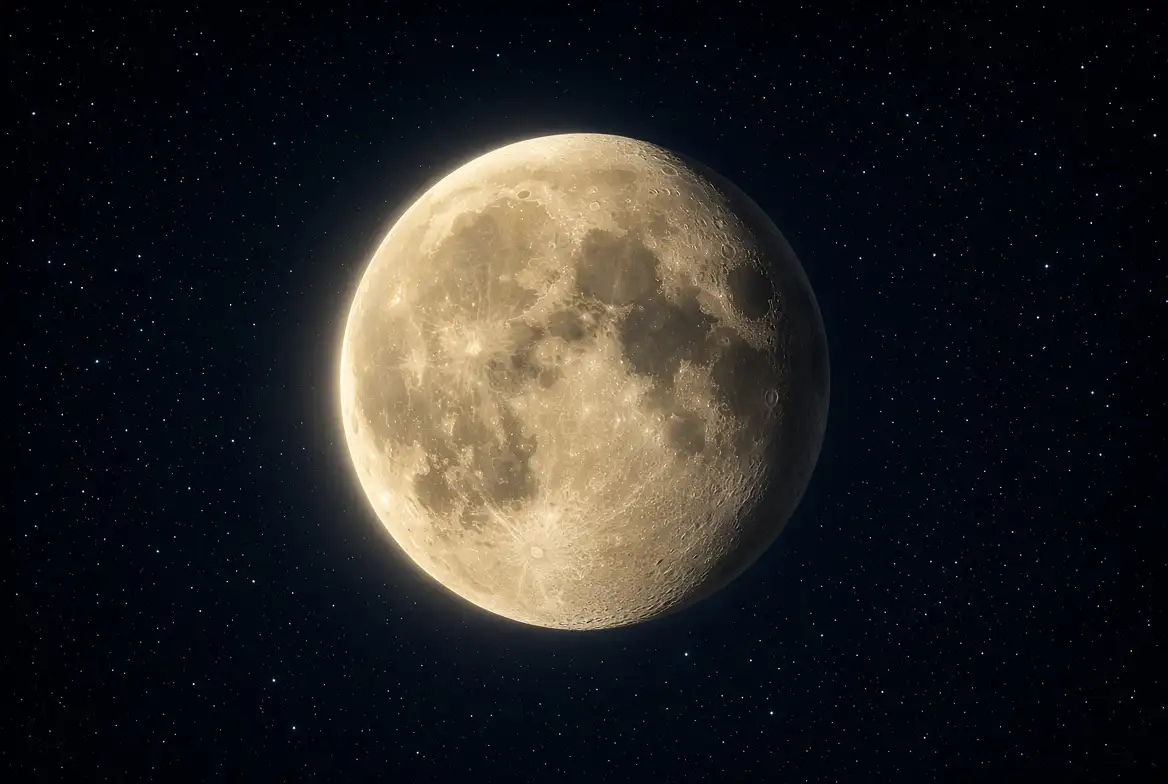
🌖 is officially called Waning Gibbous Moon. It shows a Moon that is more than half illuminated but moving away from the full-moon phase. It is the sixth of the eight main lunar phases.
In texting, the most straightforward meaning is moon, nighttime, space, astronomy, or a late-night atmosphere. Someone might send “Beautiful sky tonight 🌖” simply because they are talking about the Moon.
The emoji can also feel calm, dreamy, mysterious, or slightly eerie. Those are contextual interpretations rather than fixed Unicode meanings. Emojipedia notes that 🌖 can be used for enchanting or eerie feelings as well as more literal Moon-related subjects.
One important distinction is 🌔 versus 🌖. 🌔 is waxing gibbous, moving toward full, while 🌖 is waning gibbous, moving away from full.
| Emoji | Core meaning | Can be misread as | Best used for |
| 🌖 | Waning gibbous Moon | Generic moon | Lunar phase, night, astronomy |
| 🌔 | Waxing gibbous Moon | 🌖 | Moon getting brighter |
| 🌕 | Full Moon | Any moon phase | Full-moon references |
| 🌙 | Crescent Moon | 🌖 | General nighttime mood |
| 🌘 | Waning crescent | 🌖 | Late lunar cycle |
🌖 Waning Gibbous Moon
Meaning: The Moon after its full phase, with its illuminated portion decreasing.
Example 1: The moon looks amazing tonight 🌖
Example 2: I was outside watching the moon 🌖
🌔 Waxing Gibbous Moon
Meaning: A mostly illuminated Moon that is still moving toward full.
Example 1: The moon is getting brighter 🌔
Example 2: Another beautiful lunar phase 🌔
🌕 Full Moon
Meaning: A fully illuminated Moon.
Example 1: Look at that full moon 🌕
Example 2: Tonight’s moon is beautiful 🌕
🌙 Crescent Moon
Meaning: A crescent Moon commonly used for nighttime or lunar themes.
Example 1: Good night 🌙
Example 2: Such a peaceful evening 🌙
🌘 Waning Crescent Moon
Meaning: A thin crescent near the end of the lunar cycle.
Example 1: The Moon is almost gone 🌘
Example 2: Quiet night 🌘
🌖 Waning Gibbous Emoji in Texting
In texting, 🌖 usually works best when the conversation already has a nighttime, Moon, or atmospheric context.
Literal: “Did you see the moon tonight? 🌖”
Calm: “Finally getting some peace and quiet 🌖”
Late-night: “Still awake? 🌖”
Reflective: “That conversation gave me a lot to think about 🌖”
It can also be used humorously when someone describes their energy fading: “My social battery after one party 🌖.” That is a creative use, not an official meaning.
What Does 🌖 Mean From a Crush?
🌖 does not automatically mean flirting or romance. If someone sends only 🌖, the safest interpretation is simply Moon, nighttime, or atmosphere.
The surrounding message matters much more. “Wish you were here tonight 🌖” can feel romantic, while “Look at the moon 🌖” is simply observational.
Flirty Uses of 🌖
If you already have a playful conversation with someone, 🌖 can add a soft nighttime tone without being strongly romantic.
Try:
- “Still thinking about me? 🌖”
- “You really know how to keep me awake 🌖”
- “Maybe this night needs better company 🌖”
- “I might stay up a little longer for you 🌖”
These are flirty examples, not universal translations of the emoji.
Funny Reactions & Meme Uses
🌖 can work well in reaction-style messages because its literal “waning” idea can be playfully connected to something losing energy.
When your motivation disappears:
“Me after opening the assignment 🌖”
When the weekend is ending:
“My happiness on Sunday night 🌖”
When your social battery is finished:
“Me after talking to three people 🌖”
When the conversation suddenly gets awkward:
“Things escalated quickly 🌖”
For memes, the joke comes from the caption or situation, not from a hidden official meaning of 🌖.
Waning Gibbous Emoji Captions
Use these for Instagram posts, Stories, TikTok captions, or status updates:
- “Quiet nights, loud thoughts 🌖”
- “Somewhere between full and fading 🌖”
- “Moonlight and a little peace 🌖”
- “Late-night thoughts 🌖”
- “Just watching the night change 🌖”
- “A softer kind of night 🌖”
- “Still awake, still thinking 🌖”
- “Tonight feels different 🌖”
For a more literal caption, “Waning gibbous tonight 🌖” makes the intended meaning especially clear.
Best 🌖 Replies and Copy Paste Combos
Romantic
- 🌖❤️ — soft nighttime affection
- 🌖💕 — gentle romantic mood
- 🌖🌙 — peaceful night together
Cute
- 🌖✨ — dreamy night
- 🌖🌙 — simple moon aesthetic
- 🌖🥰 — affectionate reaction
Flirty
- 🌖😉 — playful nighttime teasing
- 🌖😏 — cheeky response
- 🌖❤️ — subtle affection
Missing someone
- 🌖❤️ — thinking about you tonight
- 🌖🥺 — missing someone
- 🌖🌙 — quiet late-night longing
Good night
- 🌖🌙 — simple good-night mood
- 🌖✨ — peaceful bedtime message
- 🌖😴 — ready for sleep
Why 🌖 Looks Different on iPhone and Android
The 🌖 character is based on Unicode, but different platforms create their own artwork. Apple, Google, Microsoft, Samsung, WhatsApp, and other platforms may show different colors, crater details, shading, or proportions.
So if 🌖 looks slightly different on an iPhone and Android phone, that does not normally mean the emoji has changed meaning. The underlying Unicode character remains the same.
Is 🌖 Trending in 2026?
There is no reliable universal ranking showing that 🌖 is the most-used moon emoji across every platform. Current emoji references consistently document it as a lunar-phase emoji used for the Moon, nighttime, astronomy, and atmospheric communication.
It can appear in moon-phase posts, nighttime captions, astronomy discussions, aesthetic content, and casual messaging. Community-specific uses can add humor, romance, or reflective meanings.
FAQs About the Waning Gibbous Emoji
1. What is the most popular waning gibbous emoji?
🌖 is itself the official Waning Gibbous Moon emoji. There is no reliable universal ranking proving it is more popular than every other moon emoji.
2. What does 🌖 mean when someone sends it?
It usually refers to the Moon, nighttime, astronomy, or a moonlit mood. The exact emotional message depends on the surrounding text and relationship.
3. Why does 🌖 look different on iPhone vs Android?
Different operating systems and platforms use different emoji artwork. They can change the visual design while representing the same Unicode character.
4. Is 🌖 used differently in other countries?
Its basic lunar meaning remains the same, but conversational interpretations can vary between communities, languages, platforms, and personal contexts.
The waning gibbous emoji 🌖 is most useful when you want to express a specific Moon phase or add a quiet nighttime feeling to a message.
For flirting, humor, captions, or reactions, let the surrounding words establish the meaning instead of relying on 🌖 alone.
Use it naturally, and the context will do the rest.
Conclusion
The waning gibbous emoji 🌖 can describe a real Moon phase while also adding a calm, mysterious, or late-night feeling to your messages.
Whether you use it for texting, flirting, memes, captions, or reactions, context matters more than any single interpretation. Use 🌖 naturally with words that make your intended tone clear, and let the conversation shape its meaning.

he PressioHub team is passionate about emojis and the way people use them to express feelings, reactions, ideas, and personality in digital conversations. We create simple, easy-to-understand content about emoji meanings, symbols, combinations, and everyday emoji usage. Whether you are wondering what an emoji means, looking for the right emoji for a message, or exploring new ways to express yourself online, PressioHub is here to help. Our goal is to make emoji-related information clear, useful, and fun. We research meanings and common usage so readers can choose the right emoji with confidence. At PressioHub, we believe that sometimes one emoji can say what words cannot. 😊